Meteor showers
The meteor showers of the year, and when each one peaks
Nine showers reach ten meteors an hour or more under a dark sky. Each comes back on almost the same date every year, when the Earth crosses the same trail of dust. The soonest is first; each has a page of its own with the peaks of the coming years and the Moon on each.
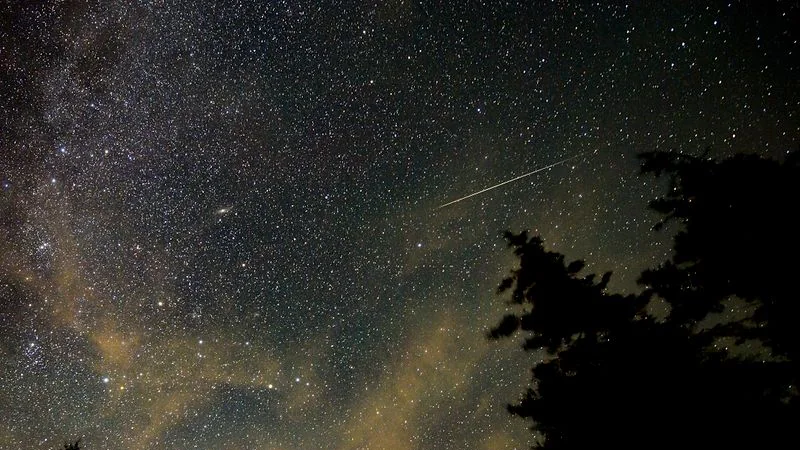
GeminidsMajor
Next peak:
Moon a waxing crescent, 25% lit — some moonlight.
Up to 150 an hour under a dark sky · 35 km/s · radiant in Gemini · best from the northern hemisphere.
The Geminids, every year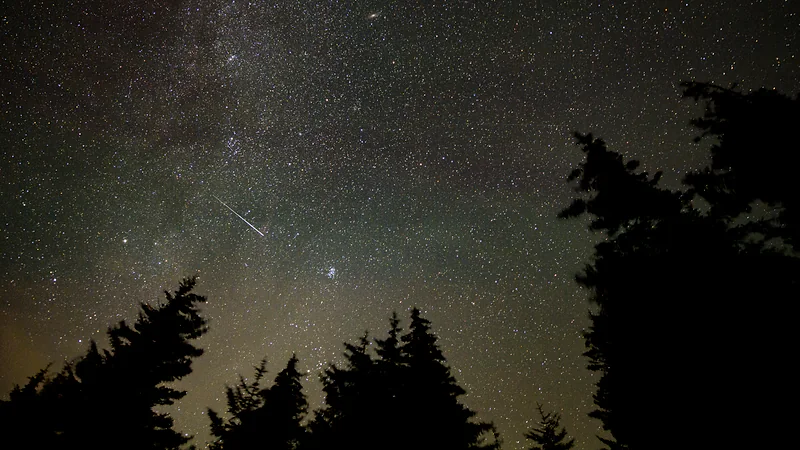
Ursids
Next peak:
Moon full, 98% lit — bright moon: only the brightest meteors.
Up to 10 an hour under a dark sky · 33 km/s · radiant in Ursa Minor · best from the northern hemisphere.
The Ursids, every year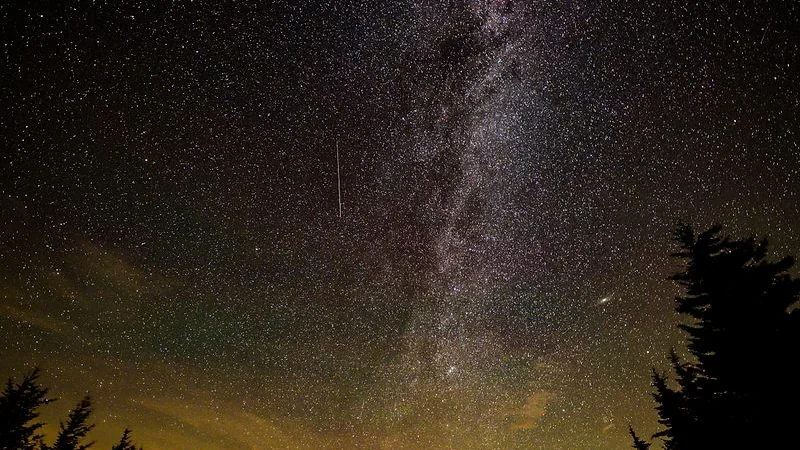
QuadrantidsMajor
Next peak:
Moon a waning crescent, 12% lit — dark sky: a good year.
Up to 80+ an hour under a dark sky · 41 km/s · radiant in Boötes · best from the northern hemisphere.
The Quadrantids, every yearApril Lyrids
Next peak:
Moon a waning gibbous, 95% lit — bright moon: only the brightest meteors.
Up to 18 an hour under a dark sky · 49 km/s · radiant in Lyra · best from the northern hemisphere.
The Lyrids, every yearη-Aquariids
Next peak:
Moon new, 0% lit — dark sky: a good year.
Up to 50 an hour under a dark sky · 66 km/s · radiant in Aquarius · seen from both hemispheres.
The η-Aquariids, every yearSouthern δ-Aquariids
Next peak:
Moon a waning crescent, 4% lit — dark sky: a good year.
Up to 25 an hour under a dark sky · 41 km/s · radiant in Aquarius · best from the southern hemisphere and the tropics.
The Southern δ-Aquariids, every yearPerseidsMajor
Next peak:
Moon a waxing gibbous, 87% lit — bright moon: only the brightest meteors.
Up to 110+ an hour under a dark sky · 59 km/s · radiant in Perseus · best from the northern hemisphere.
The Perseids, every yearOrionids
Next peak:
Moon at last quarter, 58% lit — some moonlight.
Up to 20 an hour under a dark sky · 66 km/s · radiant in Orion · seen from both hemispheres.
The Orionids, every yearLeonids
Next peak:
Moon a waning gibbous, 80% lit — bright moon: only the brightest meteors.
Up to 15+ an hour under a dark sky · 71 km/s · radiant in Leo · seen from both hemispheres.
The Leonids, every year
Pictures: archive photographs of Perseid meteors, August 2021, NASA/Bill Ingalls, via the NASA Image and Video Library — not of each shower. Peaks are computed from the solar longitudes in the International Meteor Organization, working list of visual meteor showers (checked 2026-10-12) and are estimates: a return can peak hours either side. The Moon’s phase is computed at the estimated peak. Times are UTC.
Eclipses and the planets with them, month by month: the sky in 2027